
爱的被告
『ばけばけ』新キャストにネット騒然 “朝ドラ受け”でも注目「空気が変わった」_我的网站

一 | 俳優の高石あかり(※高=はしごだか)主演を務める、NHK連続テレビ小説『ばけばけ』(月~土 前8:00 NHK総合 ※土曜日は1週間の振り返り/月~金 前 7:30 NHK BS、BSプレミアム4K)の第102回が、24日に放送された。
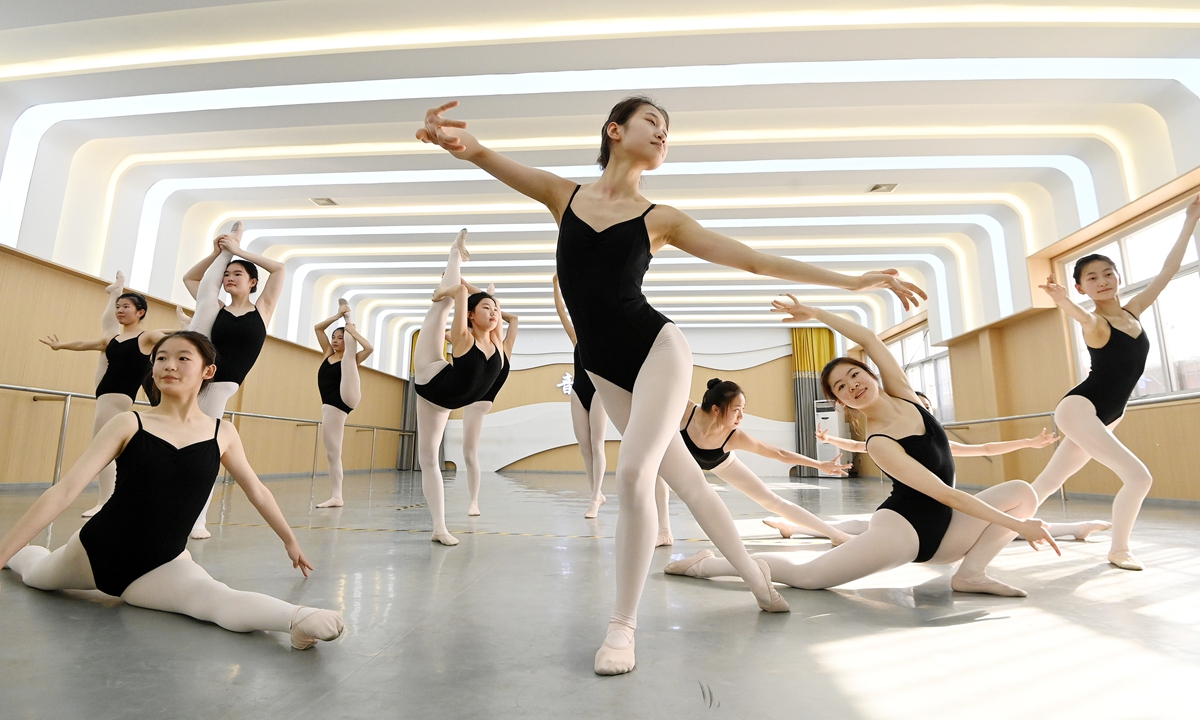
Even during summer break, changes to the admissions policy at the Communication University of China (CUC) have sparked heated discussions among students, with the reform becoming a hot topic on campus and on social media.
Amid heated debate over China's top media and arts school's admission reform, eight majors, including radio and television directing and theater directing, will no longer require separate arts exams and will instead admit students based solely on gaokao (the national college entrance exam) scores starting next year.
China's art college entrance examination, known as yikao, is a special admission pathway for students applying to arts-related majors. Applicants take both the gaokao and professional tests in areas such as fine arts, music, dance, acting, broadcasting and directing. Compared with many other university programs, art majors have traditionally placed less emphasis on gaokao scores and more on candidates' professional abilities and artistic potential.
"As one of China's most influential universities for media education, CUC's reform is seen as having broader implications," Xiong Bingqi, president of the 21st Century Education Research Institute and vice president of the China Association of College Newspapers, told the Global Times.
In his view, future arts admissions are likely to place greater emphasis on students' cultural literacy, professional interests and long-term potential.
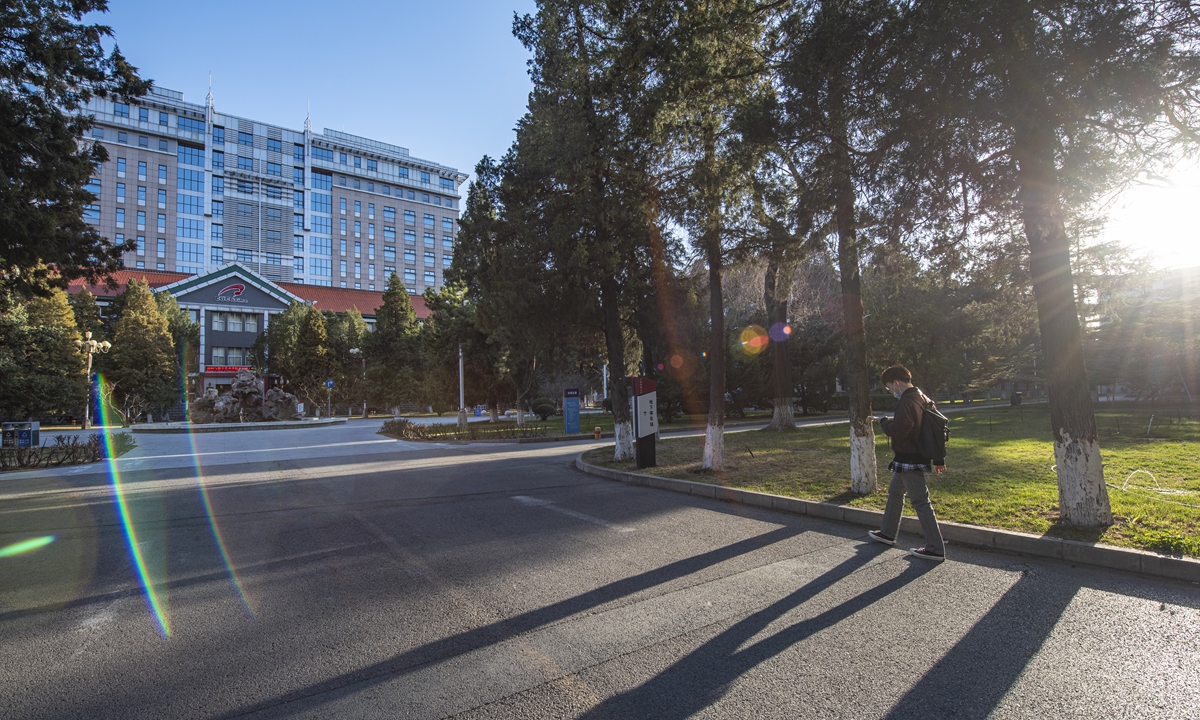
Beyond the 'shortcut'
CUC's move reflects a broader trend among Chinese arts universities. In recent years, institutions such as Nanjing University of the Arts and Henan Academy of Fine Arts have reduced the number of majors requiring school-based exams on their specific art subjects, placing greater emphasis on academic performance and provincial-level arts examinations.
The changes reflect a broader trend in China's arts education admissions system, where universities have increasingly emphasized students' cultural foundation alongside their artistic abilities.
"CUC's latest adjustment reflects a broader trend in arts education reform, with some arts-related majors beginning to admit students based on their gaokao scores rather than separate professional examinations," Xiong told the Global Times.
According to Xiong, one of the key goals of the reform is to address the utilitarian mindset among some students and parents who view arts admissions as a "shortcut to college."
In the past, some arts programs had relatively lower requirements for cultural scores, prompting some students with weaker academic performance to turn to arts exams and enroll in professional training programs during high school. As a result, arts admissions were sometimes seen not as a choice driven by genuine artistic interest or career aspirations, but as an alternative pathway to enter universities.
"The cooling of arts exam fever, to me, is a good thing for arts education and talent cultivation," Xiong said. "By admitting eight majors directly based on cultural scores, CUC is effectively removing the stepping stone of the 'shortcut to college,' allowing more students with genuine artistic interests and professional ambitions to enter these fields."
For students, the reform has directly changed how they prepare for university and make academic choices.
"The changes have created more pathways for students interested in media-related fields," a junior arts management student surnamed Wang at CUC, told the Global Times.
Wang recalled that many students around her began preparing for arts exams as early as their sophomore year of high school and later traveled to cities where their target universities were located for intensive training.
As some media-related majors shift to cultural-score-based admissions, more students who did not take the arts exam but have a genuine interest in the media field may gain opportunities to enter these programs, she said.
Rethinking media talent
Beyond changing how students enter arts majors, the reform has also sparked discussion over how universities should train future media professionals.
A CUC sophomore student surnamed Wei from the School of Theater, Film and Television told the Global Times that one challenge after scrapping arts exams for some majors is how to support students who enter without systematic professional training.
"Students who previously prepared for arts exams often developed basic skills in audiovisual language and practical experience before entering university. Those admitted based on gaokao scores may need stronger professional guidance and more opportunities for practice," Wei said.
In addition to individual student development, the reform has also prompted discussions over what qualities future media professionals should possess. Kai Zhu, a drama education instructor at a leading high school in Beijing, told the Global Times that an overemphasis on exam-oriented training in media arts education had previously led some programs to focus on templates and techniques while neglecting core competencies.
"If media arts become a low-score pathway to university, the professional nature of the field will become blurred, and the industry may face a shortage of well-rounded talent," Kai said. CUC's reform signals a shift toward selecting media talent with both cultural depth and professional skills.
"Creative fields such as screenwriting and filmmaking are not built on technical skills alone; they require an understanding of society, humanity and history," he said.
"Cultural accumulation determines the depth and vision of creative works."
The reform is therefore not merely about changing the way students enter arts programs. Ultimately, it is about what kind of creators media and arts programs hope to nurture: not only those equipped with professional skills, but those who can think deeply, understand society and transform their cultural knowledge into meaningful works, he noted.
Wang Wenpei contributed to this story.
。以下、ネタバレを含みます。【写真】ネット騒然となった新キャスト 本作は、松江で生まれ育ったヒロイン・松野トキ(高石)がつまずきながらも前向きに生きていき、世界を転々とした末に日本にたどり着いた外国人の英語教師と出会い、“怪談好き”という共通点から次第に心を通わせていく。「怪談」を愛し、外国人の夫と共に、何気ない日常の日々を歩んでいく夫婦の物語。松江の没落士族の娘・小泉セツとラフカディオ・ハーン(小泉八雲)をモデルに、大胆に再構成して登場人物名や団体名などは一部改称してフィクションとして描く。

二 | 原作はなく、脚本はふじきみつ彦氏が手掛ける。

三 | 第102回では、ヘブン宛に原稿料80円が届けられる。思った以上の金額に一同は驚き、ヘブンは「これからは作品を書いて稼いでみせる」と宣言する。しかし、作山(橋本淳)が心労で倒れた影響もあり学校の仕事が増え、執筆の時間を確保できない。焦りから家族にあたる場面も描かれた。 トキはヘブンを支えようと、皆で題材探しをすることを提案。

四 | フミ(池脇千鶴)は書店で「琴線に触れるものがあれば」と分厚い本を次々と購入するなど、それぞれが奔走する。

五 | 帰り道、トキは暗い雰囲気をまとった女性・吉野イセ(芋生悠)と出会う。

六 | 地蔵に祈るトキに対し、イセは「お地蔵様に車引きと祈るとかなわないという言い伝えがある」と声をかける。永見剣造(大西信満)が否定すると、「ウソつきは来世で蛇になる」と言い放つ。不気味な言葉にもトキは「面白い」と興味を示し、ヘブンが好みそうだとつぶやいた。放送後、SNSには「怖いよ」「ホラー感満載」「不気味だ」「ミステリアス」といった反応が続出。幽霊のようなたたずまいに朝からひんやりしたとの声も見られた。 同日放送の『あさイチ』(月~金 前8:15)では恒例の“朝ドラ受け”が行われ、鈴木奈穂子アナウンサーが「ラストにあの女性が出てきてから空気変わりましたよね。怖い」とコメント。

七 | 博多大吉も「最初、この世のものとは思えないようなたたずまいでしたから」と語り、博多華丸も「おトキにしか見えてないかなと思いきや、みんな見えていましたね」と反応した。大吉は「でもいいヒント。ここから怪談が、いよいよ書き始めるんじゃないですか」と今後の展開に期待を寄せた。
Current article:http://www.rangzhuanhoujuedu.cyou/news/20260826_622206.htm
Published on:07:31:52